How Much Does Brand Matter: Using Choice-Based Conjoint to Measure Brand Value

Topline Summary:
Brand metrics like awareness, preference, and purchase intent provide valuable insight, but they don't reveal how consumers behave when faced with competing alternatives. Choice-Based Conjoint (CBC) or Discrete Choice places brand in the context of real purchase decisions, helping organizations understand its role in driving consumer choice.
You'll learn:
- Why traditional brand metrics alone don’t tell the whole story.
- How consumer trade-offs reveal a brand’s true value.
- How Choice-Based Conjoint can inform pricing, positioning, innovation, and growth strategies.
Ask any leadership team whether their brand matters, and the answer will almost certainly be yes. Ask how much, and the answer becomes less clear.
The problem is that without understanding brand strength, it’s difficult to answer many significant business questions. Can your brand support a price premium? Will consumers remain loyal if a competitor introduces a more attractive feature set? How much market share is driven by brand equity versus product performance?
Without a clear understanding of brand strength, we’re forced to rely on trial and error or best guesses to answer these questions.
In fact, many organizations don't discover the true strength of their brand until consumers are forced to make trade-offs. A brand that appears dominant in awareness and preference research studies may lose influence when competing products offer lower prices, better or more specific features, or greater convenience. Conversely, some brands prove more resilient than expected, maintaining preference even when consumers face meaningful sacrifices elsewhere. The simple truth is that brand strength cannot be fully understood in isolation.
And that's where many traditional brand metrics fall short.
Conjoint Design Answers the Questions Traditional Brand Metrics Don't Fully Answer
A consumer may indicate a strong preference for a particular brand in a survey. They may even report high purchase intent and positive perceptions across a range of attributes. And yet when standing at the shelf or browsing online, that same consumer may choose a different option because of price, convenience, package size, or a promotional offer.
This doesn't mean traditional brand metrics are flawed. They answer important questions about awareness, perceptions, and attitudes. The challenge is that they were not designed to measure how consumers make trade-offs when multiple factors are considered during a purchase decision.
For organizations trying to understand the true impact of brand, the critical question is not simply whether consumers like a brand. It is how much influence that brand has when consumers are choosing between competing alternatives. To answer that question, researchers must measure brand impact within the context of an actual decision.
In other words, if we want to understand the value of brand, we need to observe it in action.

Choice-Based Conjoint (CBC) Analysis Reveals the True Value of Brand
One of the most effective ways to measure the impact of brand on consumer decision-making is through Choice-Based Conjoint (CBC) or Discrete Choice analysis. Unlike traditional survey approaches that ask consumers what they like or prefer, a conjoint experiment places respondents into realistic choice situations and asks them to select among competing alternatives. Those alternatives are built from attributes and their levels; an attribute level is one specific option within a feature, such as price points of $10, $20, or $30. Respondents usually complete 8-12 choice tasks in which they evaluate different combinations of attribute levels.
EXAMPLE: Consider a consumer choosing between two bags of chips. One comes from a trusted national brand but costs $1.00 more than a competing option. Does the brand justify the premium? Some consumers will gladly pay more for the brand they trust. Others will switch immediately to save money. The question isn't whether the brand is preferred, it's how much consumers are willing to sacrifice to obtain it.

Measuring Brand Strength Through Real-World Choices
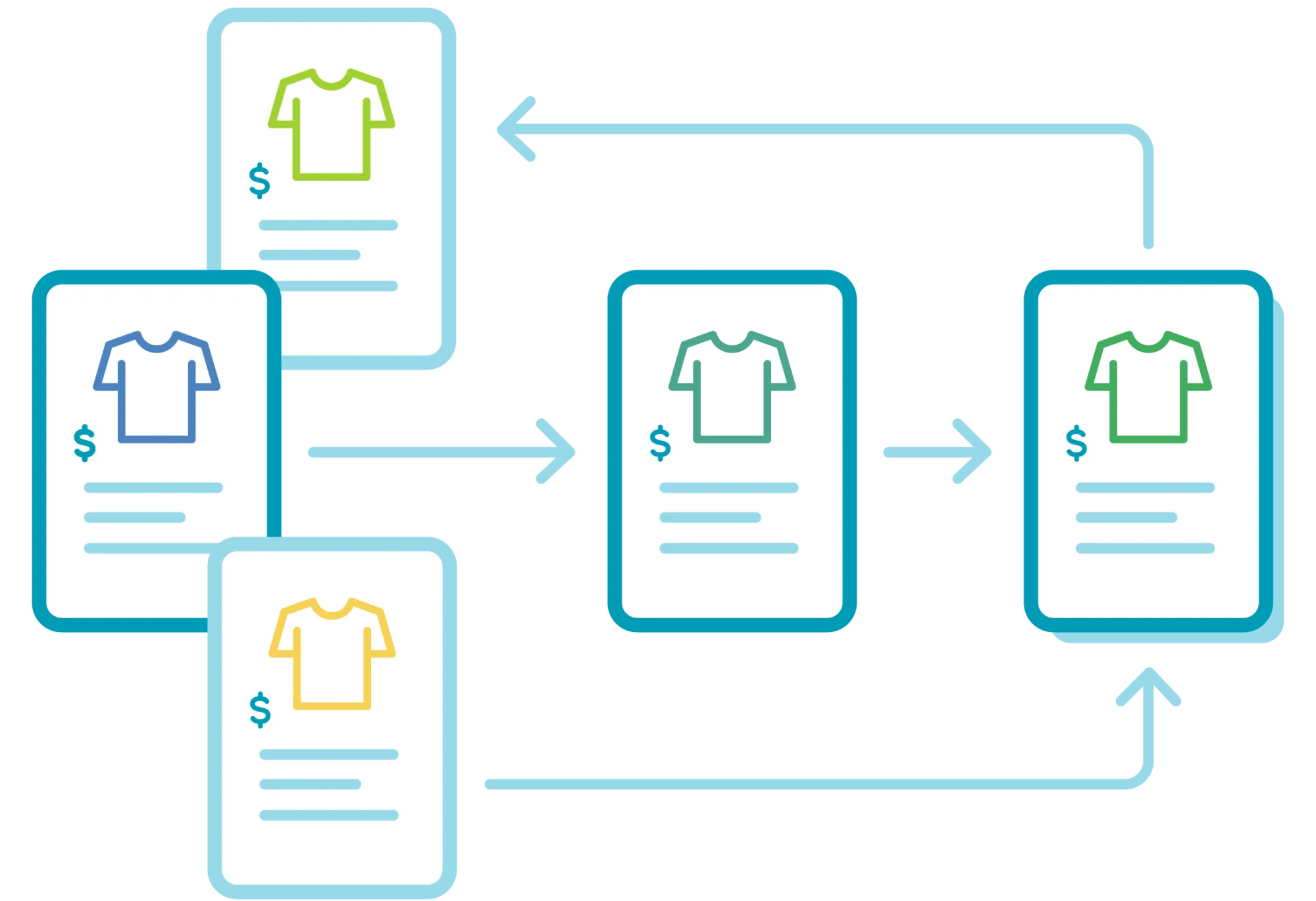
In a typical CBC exercise, consumers evaluate product options that vary across multiple attributes, such as brand, price, package size, flavor, or product features. Rather than rating each option independently, respondents make choices much as they would in the marketplace. Each decision requires them to balance competing benefits and make trade-offs, while a sound experimental design controls how the choice options are built so the statistical analysis can estimate part worth utilities for each attribute level.
This approach is particularly valuable for understanding brand because it measures brand within the context of actual decisions. Researchers can observe how consumers respond when a preferred brand is paired with a higher price, or when a lesser-known brand offers a compelling feature advantage. These trade-offs reveal the relative influence of brand when compared to other purchase drivers, with utility scores showing relative preferences: higher utility scores indicate stronger consumer preference. Researchers can also translate those results into overall attribute (including brand) importance, with importance scores summing to 100% across all attributes.
The result is a more actionable understanding of brand value. Organizations can determine whether consumers will pay more for their brand, identify the point at which shoppers begin switching to competitors, and understand which competing products pose the greatest threat. More than simply knowing that their brand has value, they can quantify exactly how much value it creates.
In short, CBC moves the conversation beyond whether consumers like a brand and toward a more actionable question: how much is the brand worth when consumers are making choices?
Better Decisions Start with Better Measurement
The answer to this question is a critical input into strategic decision-making.
When businesses can quantify the value consumers place on their brand (as well as competing offers), they gain a clearer understanding of where competitive advantages exist and where vulnerabilities may emerge. They can evaluate whether their brand supports premium pricing, identify the conditions under which consumers may switch to competitors, and determine which product attributes are most important to strengthen or communicate.
These valuable insights can inform a wide range of decisions, from product development and innovation to pricing, positioning, and portfolio strategy. Rather than relying solely on assumptions about brand strength, organizations can use consumer choice data to understand how their brand performs when competing against real-world alternatives. This is further activated through market simulator deliverables which can easily test product configurations, estimate market share outcomes, and support more informed decisions about launch, pricing, and positioning.
In the end, the question isn't whether consumers recognize, trust, or even prefer a brand. The question is how much that brand influences the decisions that consumers are making. Understanding this can help organizations make smarter choices about pricing, innovation, positioning, and growth.